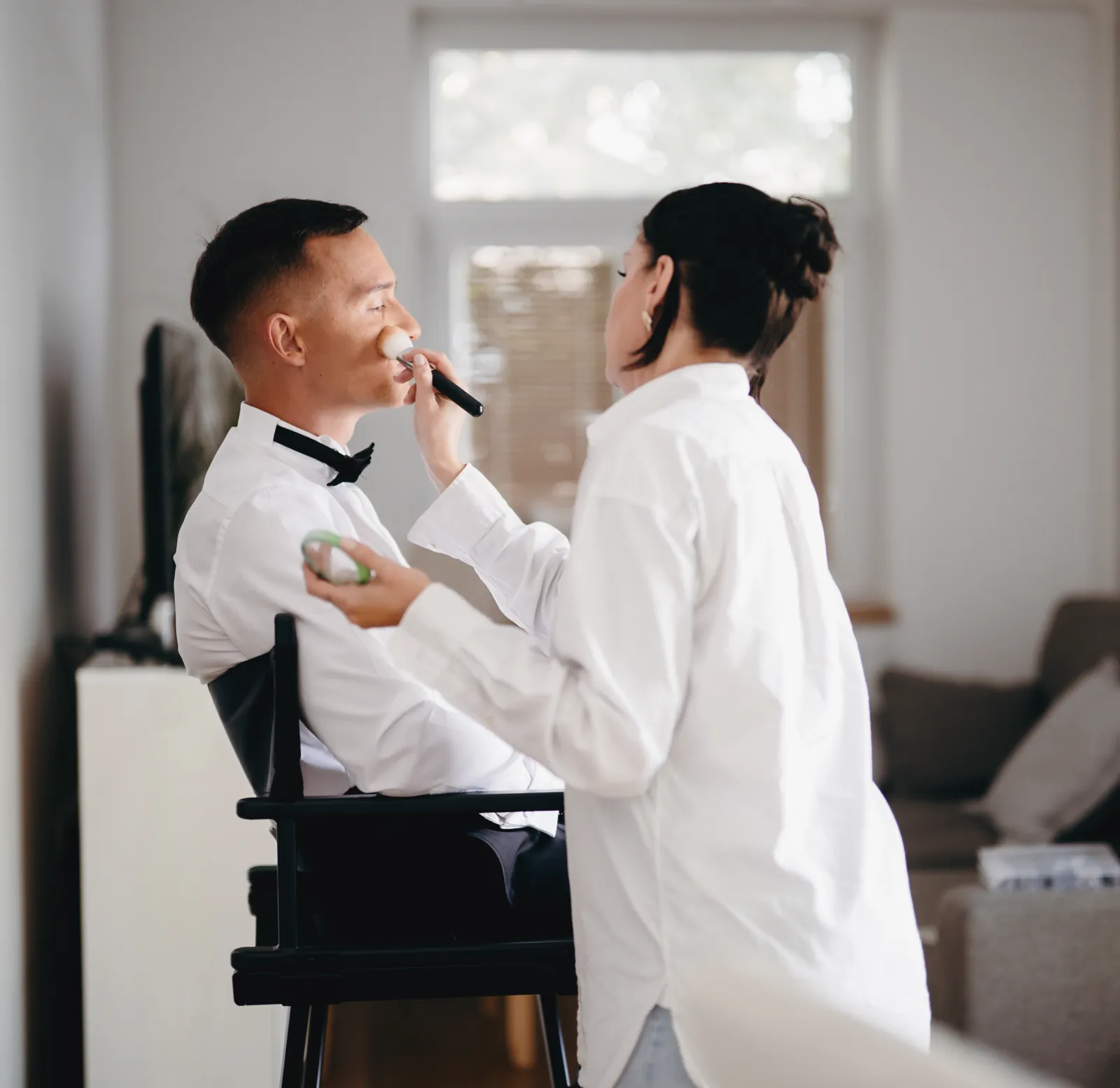
Planners, photographers and agencies don't need a makeup artist. They need a problem solved: a bride who's ready on time, skin that looks good in photos, a set that runs without drama. If you understand that, every message you send to them changes.
What each of them wants from you
| Who | What they care about | What to show them |
|---|---|---|
| Wedding planners | Timing, calm, happy couples, no surprises | Real brides, your morning schedule, clear terms |
| Photographers | Skin that photographs well, a look that lasts, being ready on time | Unretouched close-ups, work in daylight |
| Venues | Artists who know the building and respect it | Weddings you've done there or nearby |
| Agencies | Consistent work, reliability, a clear style | A focused portfolio and your credits |
People recommend artists who make them look good. Make the planner's day easier and she'll remember you.
Wedding planners
A planner puts her name behind every supplier she suggests. If you're late, or the bride cries over her makeup, it reflects on her. So she'll test you slowly.
Answer within a day. Send your schedule for the morning before she asks.
Tell her how long you need per person and when the bride must sit down.
If the couple asks you for changes, let the planner know too.
After the wedding, send her a short message and the photos you're allowed to share.
What about referral fees?
Some planners ask suppliers for a commission on bookings they send. Decide your answer before anyone asks. If you agree, build it into your price and keep it fair to the couple. Whatever you choose, be consistent and keep it in writing.
Photographers
Wedding photographers see your work up close, all day, in every light. They're also asked by couples, “Do you know a good makeup artist?” Be the name they give.
- Credit and tag them every time you post their photos
- Ask before you use their images, and use them the way they agree to
- Finish on time so their getting-ready shots aren't rushed
- Think about their light: skin that looks good by a window and with a flash
- Send a short note after a shared wedding. That's how most referrals start
Test shoots
Unpaid test shoots with photographers can be a smart move or just free work. Decide in advance what a test must give you: specific images for a portfolio gap, a contact you want, or a credit you can use. Agree in writing who gets the photos, when, and how each of you can use them.
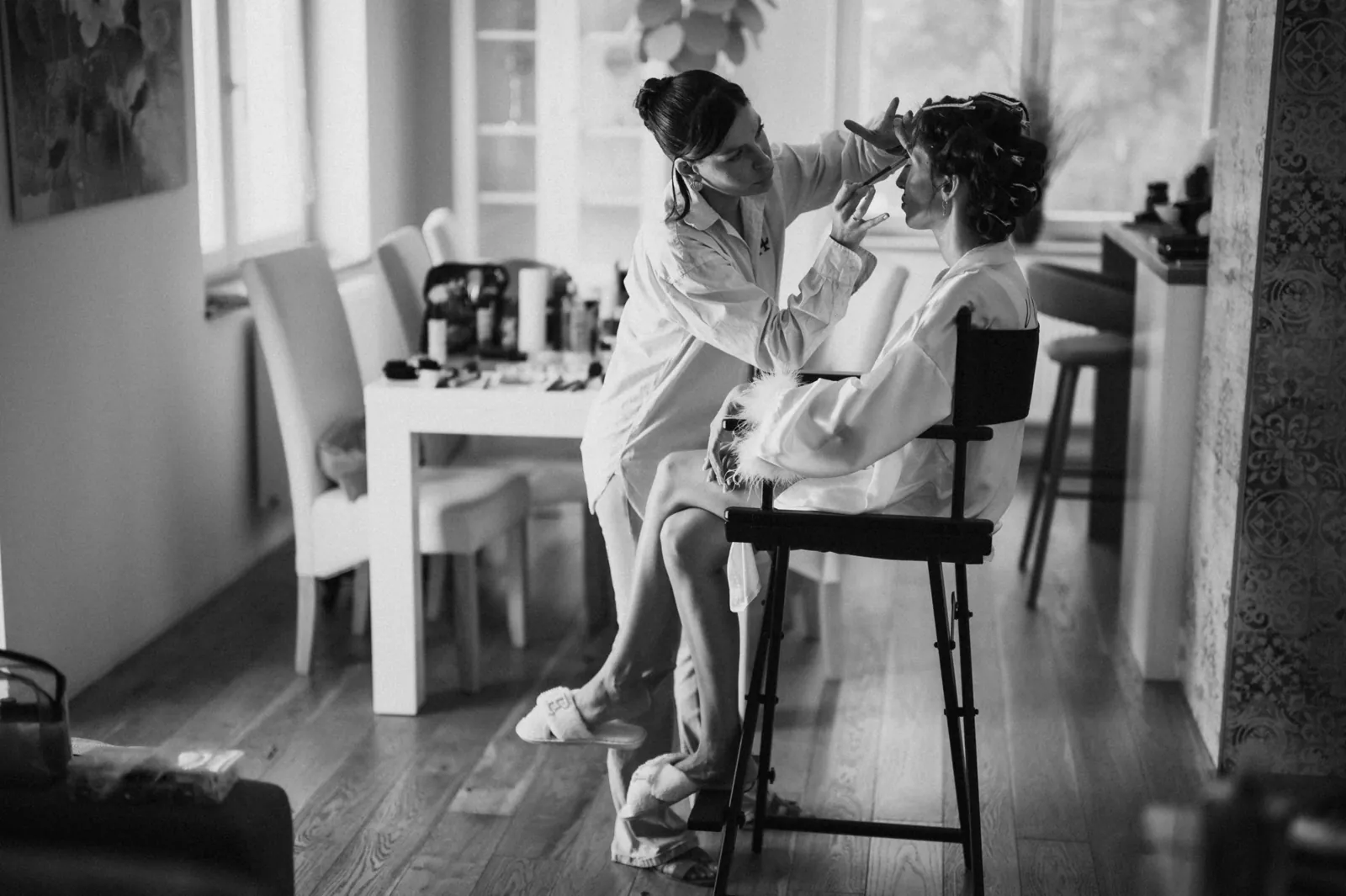
On set
Behave like the person they'll book again
Arrive early. Set up quietly. Know who's in charge and who makes decisions about the look.
Keep the talent's privacy, don't post before you're allowed, and keep your corner of the room tidy. Small things are what people remember.
Agencies
Some makeup artists are represented by agencies that find work, negotiate fees and handle invoices, usually for a share of each job. Agencies look for artists whose work is consistent and in demand, so representation often comes after you've built a client base, not before.
- Build a focused portfolio for the kind of work the agency books
- Collect credits you can name and show
- Read any agreement carefully: share, exclusivity, notice period
- Keep your own relationships too. An agency is one channel, not the only one
How to make first contact
The name is an example. The idea: show you've looked at their work, say what you do in one line, give proof, and offer something back.
The Academy's Network & Get in the Room module covers building a contact system, outreach by role, assisting and test shoots. Get Booked Again covers referrals and representation.
See the modulesQuestions
How do I get on a wedding planner's supplier list?
Show real weddings, explain how you run the morning, answer fast, and make the first wedding together easy for her. Most planners add an artist after seeing her work at one wedding, not after one message.
Should I work for free with photographers?
Only when you've decided what the shoot must give you, such as specific portfolio images or a valuable contact, and you've agreed how the photos are shared and used.
Do I need an agency as a makeup artist?
No. Many artists work directly with clients their whole career. An agency can help with commercial and fashion work once you have a strong portfolio and credits.